




Shiny rocks? They’ve long stood for promises and big moments. Back then, digging them up was the sole way to get one. Now there’s a different path open. Made in labs, these gems match their dug-up cousins – identical sparkle, equal toughness, judged by the very same rules. One thing people notice when looking at engagement rings is those three-stone designs made with lab-grown diamonds. These often stand for memories, today, and what lies ahead – though some just like the look. More surface area means extra shine stretching down the hand. It helps to know where these diamonds come from before picking one out. Unlike mined gems, they’re built in labs but share the same core makeup. Knowing how they’re formed changes how you see their worth. That clarity makes matching price with preference easier than expected.
Lab Created Diamonds Explained
A real diamond can come from a lab. What sets them apart? Just the place they’re made. Deep underground, natural ones take ages to grow, squeezed by intense heat and force. In labs, people build similar settings on purpose. Growth happens faster there, but the result stays identical. Two ways let experts make these stones.
- Fueled by intense conditions, High Pressure High Temperature goes by the name HPHT
- Fumes turn into thin layers on surfaces – that process goes by the name chemical vapor deposition. Some folks shorten it, but the full title sticks around in labs and textbooks alike
A single process builds crystals just like those three stone lab grown diamond rings. That gives them matching strength, sparkle, and light play. Picture a shop owner setting two stones next to each other – one dug up, one made in a room full of machines. Even experts might stare hard and still get it wrong without help from gadgets. What you end up holding acts precisely as if it came from deep underground.
Many buyers pick lab created diamonds
These days, lots of folks pick lab diamonds – not because they have to, but because it makes sense. Price often leads the list when deciding. For similar size and clarity, lab grown ones demand far lower prices than natural stones pulled from the ground. That gap opens doors – bigger sparkle or higher grades stay within reach, even on a fixed plan. Quality matters too, and here’s where things shift – what you get is more predictable. Labs make stones in steady settings, so flaws pop up less often, clarity stays high. People look at these gems for plenty of everyday motives.
- Lower cost for the same visual appearance
- Access to larger stones within a budget
- Consistent color and clarity
- Modern production methods
Not everybody sees these as a substitute for mined diamonds. Many shoppers still want gems that came from deep underground. A few care more about how it looks or what it costs. What you pick comes down to your own priorities.
The Allure of Three Stone Rings
One look at the three stone ring, you notice how it’s built around one big diamond in the middle. Flanking that centerpiece are two smaller diamonds on each end. Not just there for looks, those outer stones add sparkle while holding the whole thing in harmony. Meaning matters too. For plenty of pairs, the trio stands for past, present, future moments they’ve shared. Later comes now, then what’s ahead. Such a thought feels light yet holds weight. For this reason people pick it when marking promises or long years together. Rings with three lab diamonds bring this look within reach. Lab gems usually cost less, so shoppers find equal stones without stretching funds. Take someone picking one full carat up front, two halves beside it. A price tag might climb fast when natural stones are chosen. Yet costs can remain manageable using laboratory-grown ones.
Lab Diamond Quality Assessment
One way to look at it – grading rules for natural diamonds fit lab grown ones too. Think of color, clarity, cut, then carat weight. These pieces shape what you see when the light hits.
- Cut
- Color
- Clarity
- Carat weight
Light bends differently depending on the diamond’s shape. Brightness jumps when a gem is shaped just right. What you see as color ranges from pure transparency to hints of shade. Tiny flaws inside show up under close look. These little spots are what clarity checks for. Most flaws hide unless you zoom in close. Size gets measured by how many carats a diamond holds. Take a 1.2 carat stone – sharp cutting plus high clarity might outshine something bigger but poorly made. Choosing three-stone rings built from lab diamonds? Flow matters most. Design leans on the middle gem, yet side pieces must line up in hue and purity.
Shape Selection
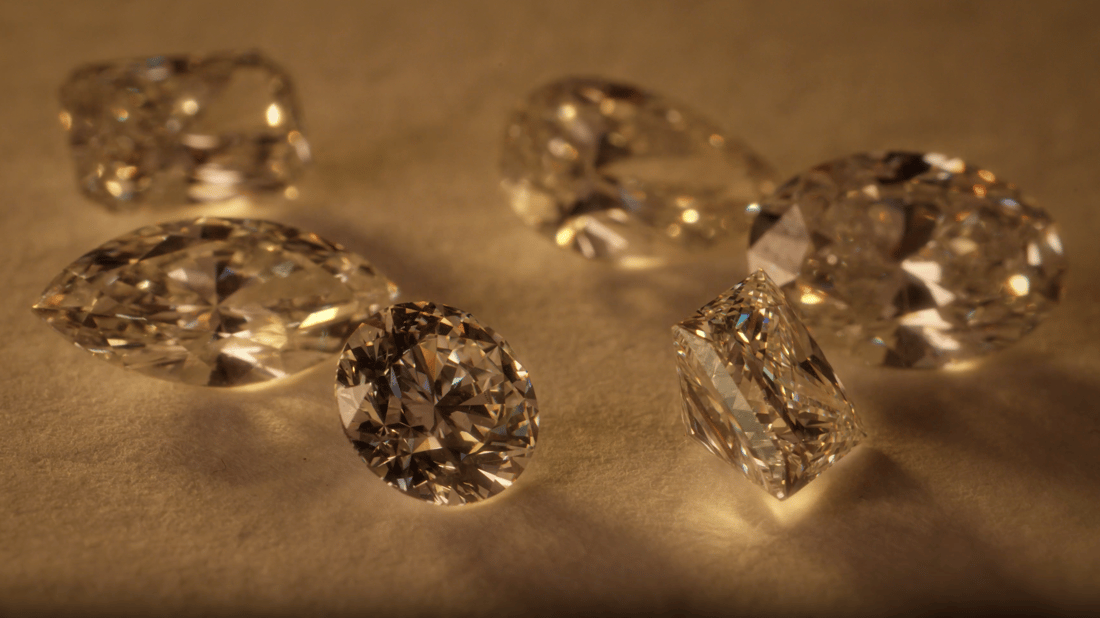
A single diamond’s form can shift how the whole ring feels. Light bounces off round stones so clearly that they still lead in choices made. Yet some people reach for less common cuts just to stand apart. Shapes like oval or pear show up often on fingers these days
- Round
- Oval
- Cushion
- Emerald
- Pear
- Radiant
A single circular gem sits snug between droplet-shaped companions, forming a gentle narrowing outline. Sharp-edged rectangle at the middle meets slanted partners on each flank, delivering crisp angles throughout. Triple-stone designs using created diamonds adapt easily across pairings since synthetic versions offer wider options in proportion and coordination.
Styles That Fit Well
Pieces stay secure because the frame locks each gem tight. Style shifts completely based on that structure. Most three-stone designs go with one of those frames.
- Prong setting
- Basket setting
- Shared prong setting
- Low profile setting
Most people pick prong settings since they let light reach the stone easily. Sitting snug against the skin, a low-profile ring stays steady while moving around. Think about it – if you’re always on the go, a shorter setting means less snagging on fabric. How it feels on your hand matters just as much as how it looks.
Check quality before buying
One way to start is by checking if a lab diamond has proper certification. Because trust matters, look for documents from groups like IGI or GIA. These papers give clear facts on how the diamond was graded. What stands out? The cut, its hue, purity level, and size are listed. Before making any choice, take time to view photos or clips of the gem. From every angle, online vendors usually show full rotations. Seeing it spin reveals flaws or shine that numbers miss
- Light reflection
- Inclusion visibility
- Overall symmetry
A single grade doesn’t always show how bright a diamond looks – cut changes everything. Spend moments side by side with each stone, so surprise stays out of your decision down the road.
Budget Planning for a Three Stone Ring
Money planned ahead helps when picking a ring. Since there are three gems, the price divides among them rather than focusing on just one big diamond up front. Most people spend the largest part of their funds on the middle stone, then go a bit smaller on the two beside it. For instance, the center might take close to sixty out of every hundred dollars spent, the side ones around thirty, and the frame holding everything roughly ten. That way, the look stays even, yet the central gem still shines well. Rings with three lab made diamonds tend to offer this kind of mix without needing a huge sum.
Maintenance and Long Term Care
Though lab diamonds match mined ones in toughness, they demand regular upkeep. Even so, a quick clean now and then helps them stay sharp. Every few months, someone should check their settings just to be sure. Wipe them down with mild soap and water when they look dull. Despite being strong, tiny knocks can loosen prongs over time. A soft brush works well during cleaning – just go gently. Still, avoid harsh chemicals that might damage the metal around them
- Clean the ring with mild soap and warm water
- Use a soft brush to remove buildup
- Store the ring separately from other jewelry
- Once every twelve months, give the prongs a look. Twice might be wise if you wear it daily
Lotions plus dirt often build up beneath the stones. Sparkle comes back fast once cleaned. When a jeweler looks at the setting, security of the diamonds gets confirmed.
Common Buyer Questions
Are lab created diamonds real diamonds?
Fine. Identical makeup, identical toughness – just like natural stones. What sets them apart? Location of origin.
Do lab diamonds lose value faster?
Might seem odd, but prices shift differently across diamond resale spots. Starting lower means lab stones tend to draw eyes mostly when people buy, not later when they might sell.
Are three stone rings good for engagement rings?
Right. Lots of pairs go for these since the look carries significance while spreading sparkle wider around the band. A trio of lab diamonds makes room for bigger gems without stretching financial limits.