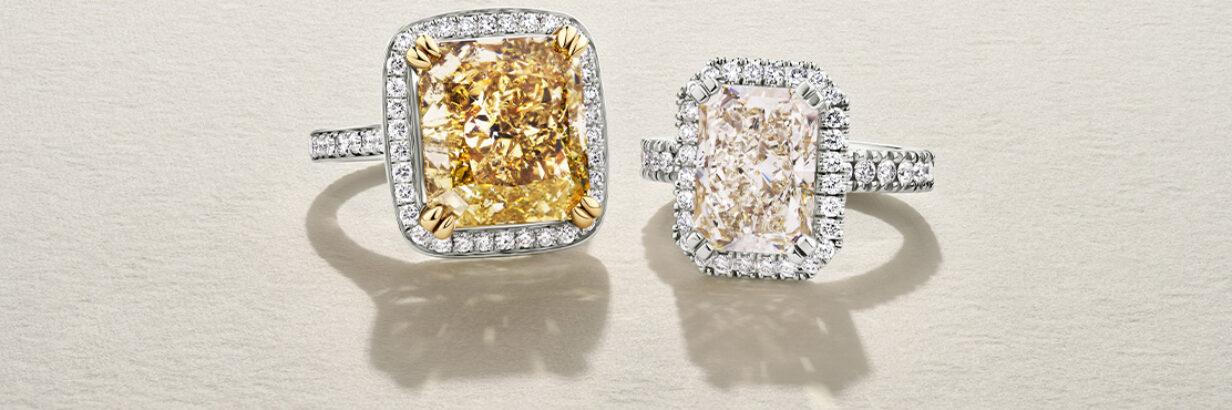





In today’s jewelry market, buyers are more informed than ever. Couples shopping for engagement rings and fine jewelry are increasingly choosing alternatives to mined diamonds — not just for cost savings, but for ethics, sustainability, and innovation. Two of the most popular options are moissanite diamond and lab-grown diamonds.
At first glance, they may look similar. Both are dazzling, durable, and far more affordable than traditional mined diamonds. But they are not the same stone — chemically, visually, or structurally.
If you’re deciding between the two, this in-depth guide will help you understand the differences, similarities, advantages, and which option may be right for you.
What Is Moissanite?
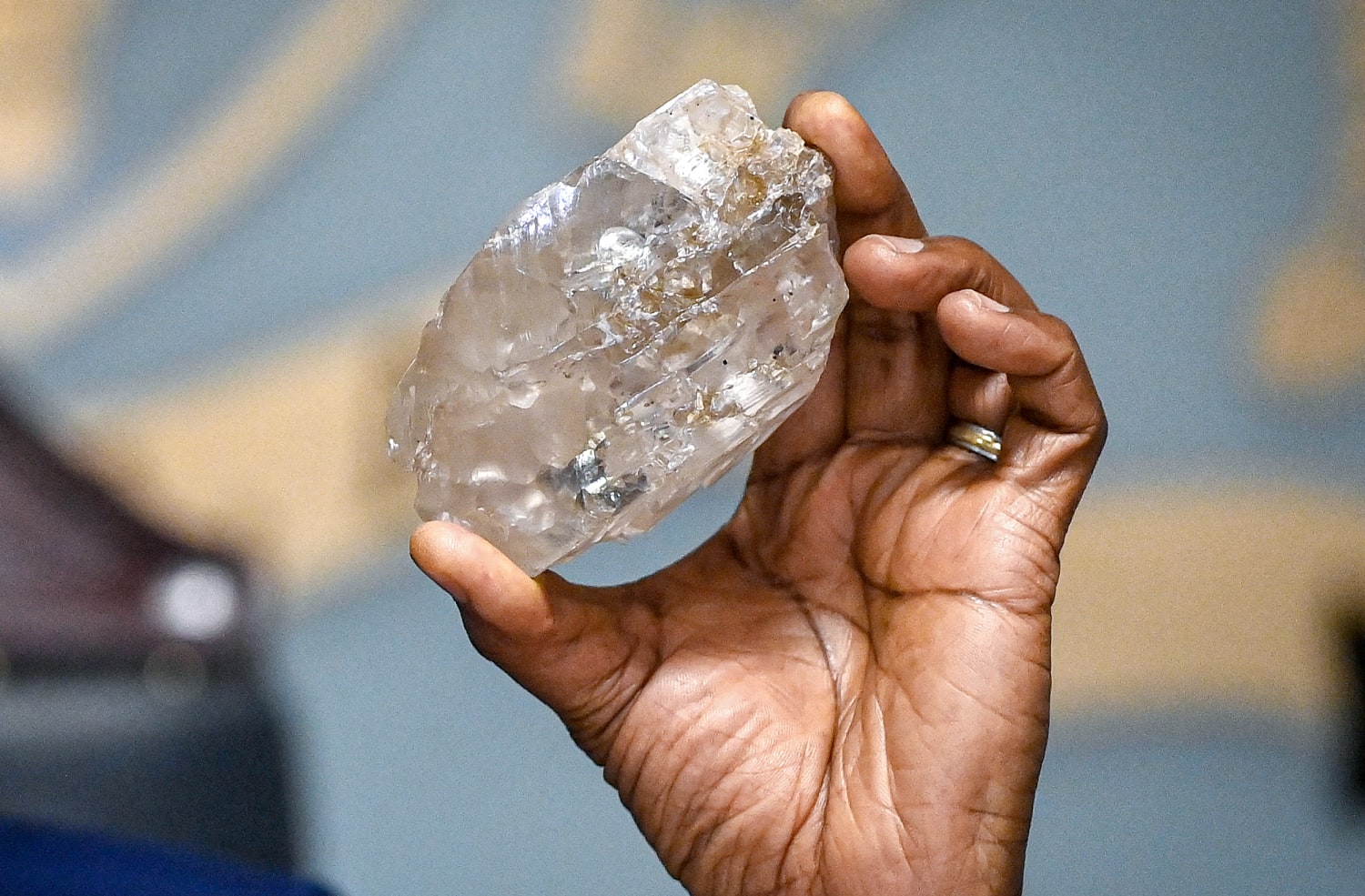
Moissanite is a gemstone made of silicon carbide (SiC). It was first discovered in 1893 by French scientist Henri Moissan, who found tiny crystals in a meteor crater. Because natural moissanite diamond is extremely rare, nearly all moissanite available today is created in laboratories.
Although it resembles a diamond, moissanite diamond is a completely different mineral. It is not a “fake diamond” — it’s its own unique gemstone with its own properties.
Key Characteristics of Moissanite
- Composition: Silicon carbide
- Hardness: 9.25 on the Mohs scale
- Brilliance: Very high
- Fire (rainbow sparkle): Extremely strong
- Color: Near colorless to slightly warm tones
One of moissanite diamond most noticeable traits is its intense fire. It reflects light in a way that produces more rainbow flashes than a diamond. Some people love this dramatic sparkle, while others prefer the more subtle white brilliance of diamonds.
What Are Lab-Grown Diamonds?
Lab-grown diamonds — also called lab-created or man-made diamonds — are real diamonds. They have the same chemical composition (pure carbon), crystal structure, and physical properties as mined diamonds.
The only difference is origin.
Instead of forming over billions of years deep within the Earth, lab diamonds are grown in advanced laboratories using two primary methods:
1. CVD (Chemical Vapor Deposition)
A thin diamond seed is placed in a chamber filled with carbon-rich gas. Heat and pressure allow carbon atoms to bond and grow layer by layer.
2. HPHT (High Pressure High Temperature)
This method replicates the natural diamond-growing conditions of the Earth by applying extreme heat and pressure to carbon.
Key Characteristics of Lab Diamonds
- Composition: Carbon (same as natural diamonds)
- Hardness: 10 on the Mohs scale
- Brilliance: Identical to natural diamonds
- Fire: Balanced white sparkle
- Certification: Graded by gemological labs
Because they are chemically identical to mined diamonds, even professional gemologists need specialized equipment to tell them apart.
Moissanite vs Lab Diamonds: The Core Differences
While both stones are lab-created and ethical alternatives, their differences are important.
1. Composition
- Moissanite = Silicon carbide
- Lab diamond = Pure carbon
Lab diamonds are actual diamonds. Moissanite is a diamond alternative.
2. Hardness & Durability
- Moissanite: 9.25
- Lab diamond: 10
Both are extremely durable and suitable for daily wear. However, diamonds remain the hardest gemstone available.
3. Sparkle & Light Performance
Moissanite has:
- Higher fire (more rainbow flashes)
- Slightly different refractive pattern
Lab diamonds have:
- Traditional diamond brilliance
- More white light reflection
If you prefer bold rainbow sparkle, moissanite may appeal to you. If you want a classic diamond look, lab-grown diamonds are the better match.
4. Price Comparison
Moissanite is generally:
- The most affordable option
- Significantly less expensive per carat
Lab diamonds:
- Cost 30–60% less than mined diamonds
- More expensive than moissanite
For buyers prioritizing budget above all else, moissanite is often the top choice.
5. Long-Term Value
Lab diamonds:
- Hold closer market value to mined diamonds
- Can be certified and graded
Moissanite:
- Has lower resale value
- Is typically not graded like diamonds
Ethical and Environmental Considerations
One of the biggest reasons buyers choose moissanite or lab diamonds is sustainability.
Mined Diamonds vs Lab Options
Traditional mining:
- Requires extensive land excavation
- Uses large amounts of water and energy
- Can raise ethical sourcing concerns
Lab-grown options:
- Require significantly less land disruption
- Offer traceable origin
- Avoid conflict-related concerns
Both moissanite and lab diamonds are considered ethical alternatives to mined stones.
However, lab diamond production still consumes energy. The environmental impact depends on whether renewable energy sources are used in manufacturing.
Appearance: Can You Tell the Difference?
To the naked eye, most people cannot easily distinguish between moissanite and lab diamonds, especially in smaller carat sizes.
However, under certain lighting:
- Moissanite may show more rainbow flashes.
- Lab diamonds exhibit traditional white brilliance.
Under magnification, trained gemologists can identify differences in crystal structure and refractive behavior.
Which Is Better for Engagement Rings?
Both stones are popular for engagement rings, but the “better” choice depends on priorities.
Choose Moissanite If:
- You want maximum sparkle
- You prefer a lower budget
- You like slightly warmer tones
- You want a large stone for less cost
Choose Lab Diamonds If:
- You want a real diamond
- You prefer classic diamond brilliance
- You value certification and grading
- You care about long-term perception and value
For many couples, lab diamonds provide the emotional appeal of a traditional diamond while staying within budget.
Maintenance and Care
Both stones are suitable for everyday wear and require minimal maintenance.
Cleaning Tips:
- Use warm water and mild soap
- Gently brush with a soft toothbrush
- Rinse thoroughly and air dry
Professional cleaning once or twice a year helps maintain maximum brilliance.
The Psychological Factor
One often-overlooked difference is emotional significance.
Lab-grown diamonds are chemically identical to natural diamonds, meaning many people feel they carry the same symbolic value of permanence and commitment.
Moissanite, while beautiful, is technically a different gemstone. Some buyers embrace its uniqueness; others prefer owning a “real diamond,” even if it’s lab-created.
This factor often plays a major role in final decisions.
Future Market Trends
The jewelry industry is shifting rapidly.
- Lab diamond demand continues to grow globally.
- Younger buyers prioritize sustainability and transparency.
- Moissanite remains strong in the budget-friendly luxury space.
As technology advances, production efficiency improves, making both options increasingly accessible.
Final Thoughts: Which One Should You Choose?
There is no universal “better” option — only what aligns best with your preferences.
If you want:
- Maximum affordability and bold sparkle → Moissanite
- A real diamond with ethical sourcing → Lab-grown diamond
Both offer beauty, durability, and responsible sourcing. The decision ultimately comes down to personal style, budget, and what meaning you attach to your stone.
In the modern jewelry world, brilliance is no longer defined by mining — it’s defined by innovation, transparency, and smart choices.
And whether you choose moissanite or a lab-grown diamond, you’re investing in a future where beauty and responsibility can shine together.