




Have you ever caught yourself staring at a sparkling diamond in a jewelry store and thought, “Wait… is this real?” Let’s be honest: diamonds are beautiful, but confusing. Especially now, with man made diamonds entering the market, figuring out the diferencia entre diamante natural y de laboratorio isn’t just a fun trivia question—it’s a legit decision for your wallet, ethics, and style.
A Quick Background: Why Diamonds Are So Fascinating
Think about it: diamonds have been coveted for centuries. They’re symbols of love, wealth, and sometimes, pure show-off power. But here’s the twist—what most people don’t realize is that diamonds aren’t all born equal.
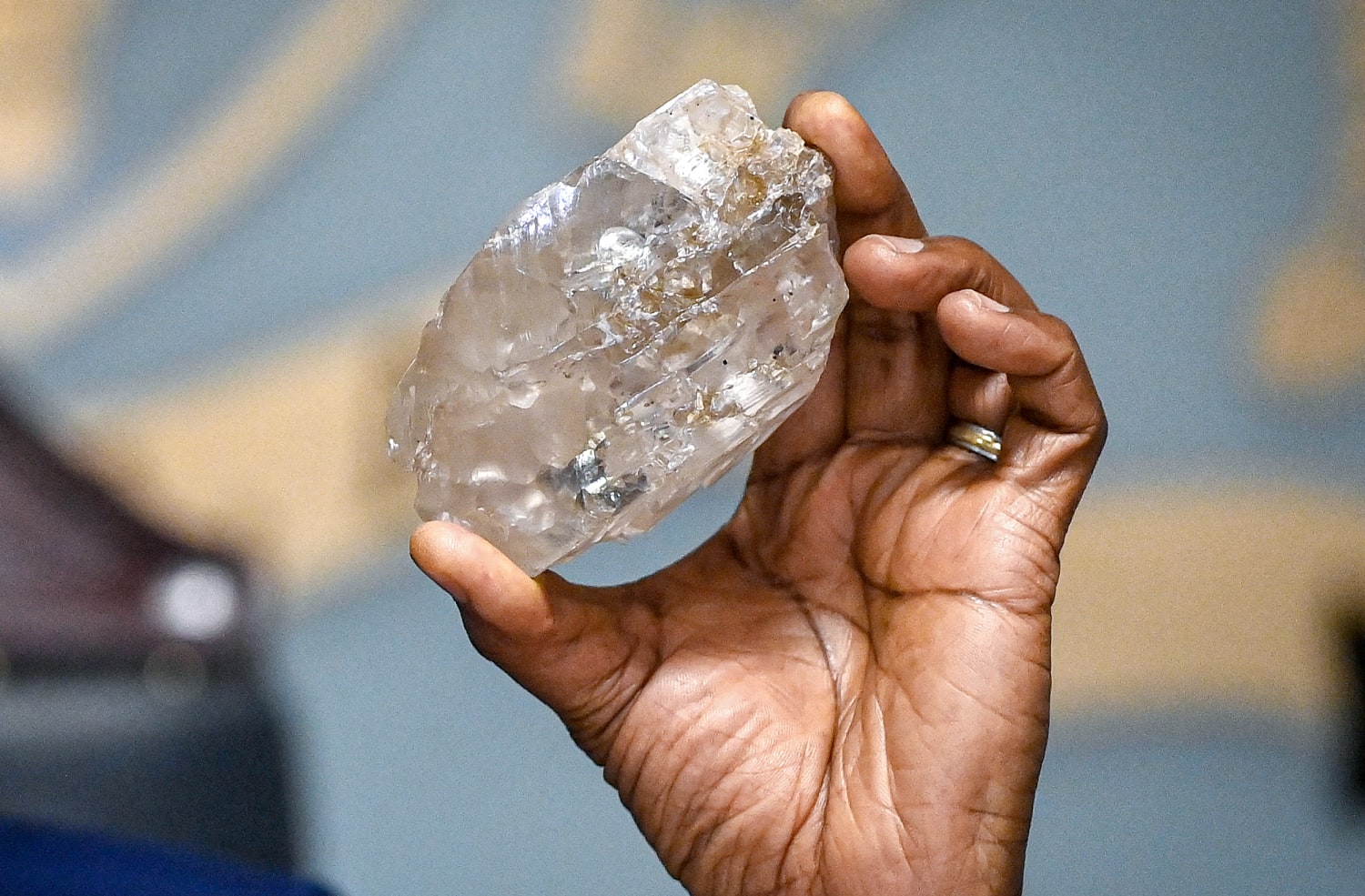
Natural diamonds are like rare gems from Mother Earth herself. Millions of years, intense heat, and insane pressure create them deep in the Earth’s crust. That’s why each one has tiny quirks, inclusions, and unique vibes. It’s almost like holding a little piece of ancient history.
Now, enter man made diamonds—or lab-grown diamonds. Honestly, the science here is mind-blowing. With advanced tech, labs can create diamonds that are chemically, physically, and visually identical to natural ones. Yep, identical. No fairy dust required, just clever engineering.
So, when you’re comparing the diferencia entre diamante natural y de laboratorio, it’s not about sparkle—it’s about origin, price, and personal values.
Options and Trends: What You Can Choose Today
Here’s where things get interesting. You’ve basically got two main paths:
1. Natural Diamonds
Pros:
- Timeless and traditional. Your grandma probably had one.
- Each piece has a unique fingerprint (inclusions, growth patterns, etc.).
- Perceived value tends to hold better over decades.
Cons:
- Pricey. Sometimes ridiculously so, depending on cut and clarity.
- Ethical concerns. Mining can be environmentally destructive or tied to conflict zones.
- Supply is limited, so trends can shift costs unpredictably.
2. Man Made Diamonds (Lab-Grown)
Pros:
- Often 20–40% cheaper for the same size and quality. Cha-ching.
- Eco-friendly. Less mining, less footprint.
- Consistency. You know exactly what you’re getting.
- Perfect if you’re techy or want a “new age” vibe.
Cons:
- Still debated for resale value (though this is changing fast).
- Some purists argue it “lacks history” or romance.
- Can get confused with lower-quality synthetic stones if you’re not careful.
Let’s be real. Many people today lean toward man made diamonds because they’re ethical and affordable. But, if you’re all about that old-school glam and bragging rights that your diamond is millions of years old… natural is the way to go.
Trends: How People Are Choosing Diamonds Today
You might be surprised how quickly lab-grown diamonds are catching on. Millennials and Gen Z buyers are driving this shift, often choosing ethical considerations over tradition.
- Some couples opt for a slightly larger lab-grown diamond for the same price they’d pay for a smaller natural one. Bigger rock, same budget. Win-win.
- Eco-conscious buyers love the lower carbon footprint. Imagine telling your friends your engagement ring saved tons of environmental impact—talk about a conversation starter.
- Jewelers are experimenting with hybrid designs, mixing natural and lab-grown diamonds in one piece. Trendy, sustainable, and strikingly unique.
Honestly, it’s not just about the sparkle anymore—it’s about the story behind it.
Why the Local Angle Matters: Diamonds Where You Live
Now, here’s something you might not have thought about: geography. Depending on where you buy, your options and pricing can vary drastically.
For example, in Mexico or Spain, natural diamonds might come with better certifications and local craftsmanship guarantees. Meanwhile, in tech-forward hubs like Dubai, New York, or Tokyo, man made diamonds are booming because jewelers are tapping into conscious consumers and millennials who love a sustainable story.
Think of it like this: natural diamonds are your classic leather jacket—timeless and high-maintenance. Lab-grown diamonds? That’s your sleek, modern bomber jacket—fresh, ethical, and easier on the wallet. Both can look amazing, but context matters.
Even smaller jewelry stores are jumping on the lab-grown trend. You might walk into a boutique in your city and find rings that were impossible to get just five years ago. Technology has leveled the playing field.
How Man Made Diamonds Actually Work
Curious about the process? It’s cooler than you might expect. Here’s a casual breakdown:
- Seed Creation – Everything starts with a tiny diamond seed. This is the foundation for growth.
- High-Tech Growth – Labs mimic Earth’s conditions with two main methods:
- HPHT (High Pressure, High Temperature): Like mini volcanoes in a lab.
- CVD (Chemical Vapor Deposition): Think “science kitchen,” where carbon atoms build layer by layer.
- Polishing & Certification – Once the diamond reaches the right size, it’s cut, polished, and graded—just like a natural stone.
- Into Jewelry – Finally, it becomes a sparkling engagement ring, earrings, or bracelet.
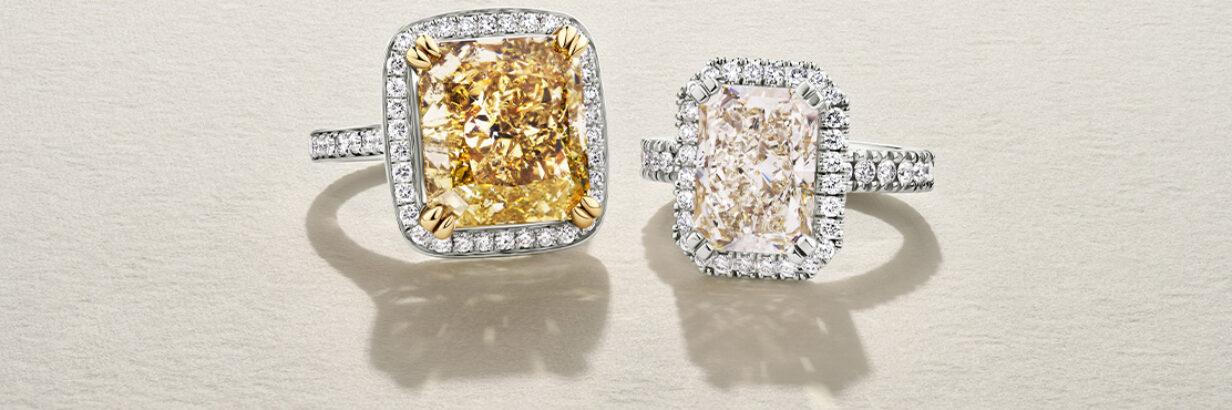
It’s amazing because the end product? Indistinguishable from natural diamonds. Seriously, you could wear a lab-grown diamond and no one would guess it wasn’t plucked from the Earth millions of years ago.
Real-Life Examples: Natural vs. Lab-Grown
Let’s put it into perspective with some scenarios:
- Scenario 1: Ana wants a 1-carat diamond ring. A natural diamond might cost $7,000, but a lab-grown one of the same quality? $4,500. That’s enough to cover a honeymoon or a fancy dinner party.
- Scenario 2: Carlos is all about eco-friendly choices. He loves that his man made diamonds avoid mining, so he can brag about saving the planet while rocking a beautiful ring.
- Scenario 3: Lucia is traditional. Her family has a diamond passed down for generations. For her, natural diamonds carry history that no lab can replicate.
See? The decision isn’t just financial—it’s personal, ethical, and sometimes emotional.
Shopping Tips: Making the Right Choice
Here are some quick, practical tips when deciding between natural and lab-grown diamonds:
- Certification is key – Look for GIA, IGI, or reputable local labs.
- Compare apples to apples – Don’t just look at size; check cut, clarity, and color.
- Set your budget first – Lab-grown diamonds can save you thousands if you plan wisely.
- Think long-term – If resale or inheritance matters, natural diamonds may retain value better.
- Ask about warranty – Some lab-grown diamonds come with special guarantees.
Wrapping It Up
At the end of the day, whether you choose natural or lab-grown, it’s about what matters to you. Diamonds are more than just stones—they’re symbols, milestones, and memories. And with modern science, the gap between diamantes naturales y man made diamonds has narrowed so much that the choice is really yours to define.
So, next time you’re in a jewelry store staring at that glittering rock, take a moment. Ask yourself: do I want the weight of history or the brilliance of modern innovation? Either way, sparkle is guaranteed.