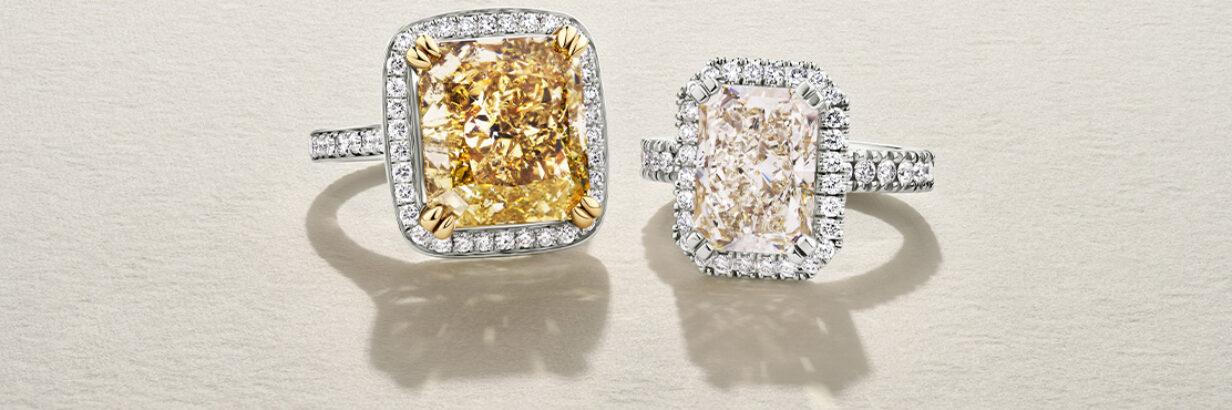




It sounds simple, right? Sparkly rocks, some natural, some man-made. But the moment you start digging, it becomes a rabbit hole of science, tradition, price tags, and, honestly, personal taste. Let’s be real—jewellery isn’t just jewellery. It’s memory, flex, romance, or even rebellion. And the choice between diamond vs moissanites (plus the whole lab grown diamond revolution) isn’t just technical—it’s emotional.
Rocks Have Stories
Think about it: when was the last time a piece of jewellery actually told a story? Maybe it was your grandmother’s old engagement ring, or that necklace you bought on a trip abroad. Gems aren’t just shiny things—they carry meaning.
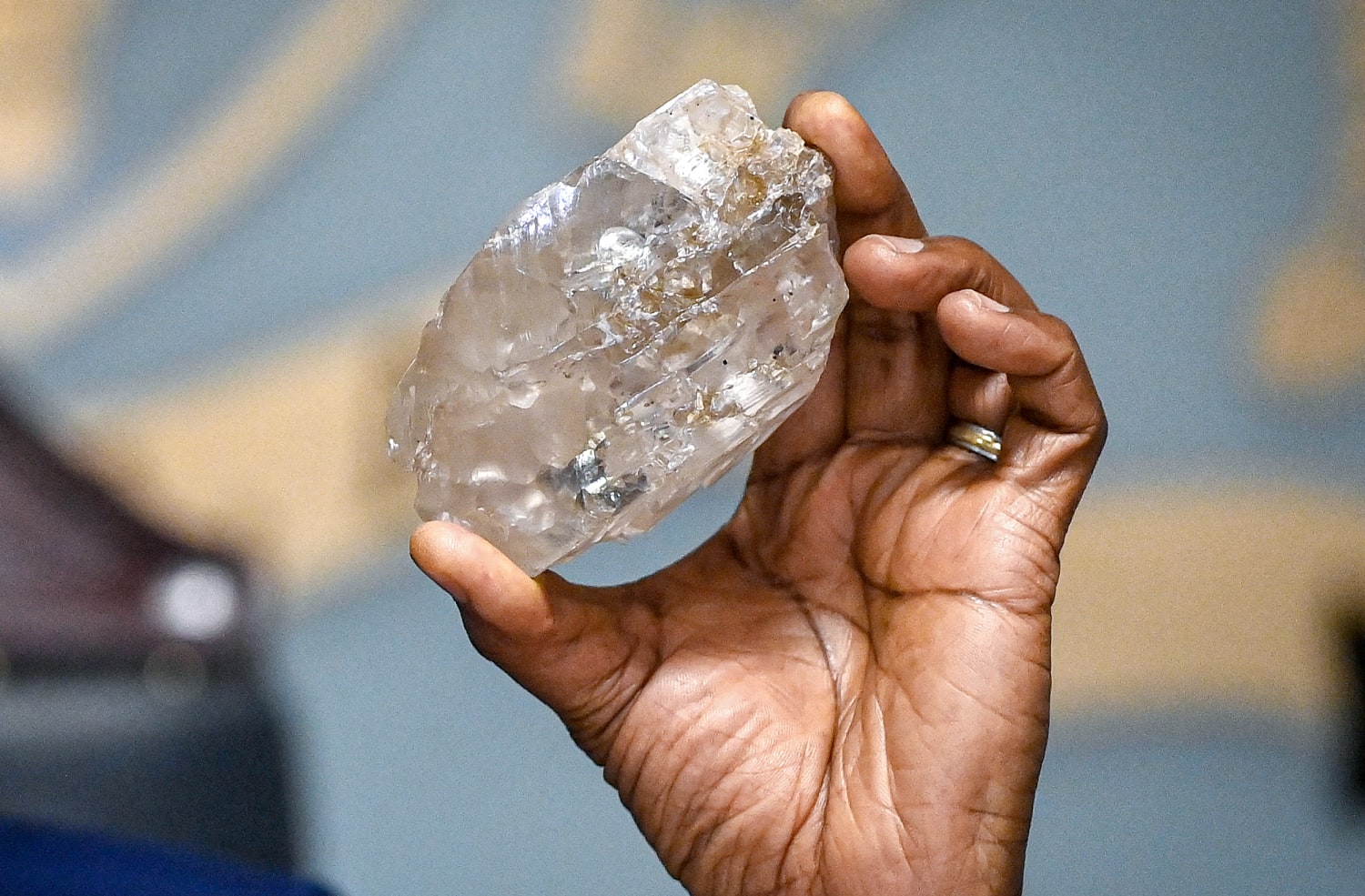
Diamonds, for decades, have been marketed as the symbol of eternal love. (Thanks, De Beers.) They’re rare, they’re expensive, and they’ve got this aura of being untouchable. But here’s the twist—you might be surprised to know that most diamonds mined today are not exactly rare. The supply is carefully controlled. The rarity is more about marketing than geology.
On the other hand, moissanite? Total underdog story. It was first discovered in a meteor crater. Yep, space rock vibes. Naturally occurring moissanite is insanely rare, so what you see in stores today is lab-created. And it’s giving diamonds a serious run for their money because it sparkles just as much—some say even more.
And then there are lab made diamonds—real diamonds, but created in controlled environments. Same physical structure, same chemical composition, but without the “digging giant holes in the Earth” problem. Honestly, that part alone is a huge selling point for a lot of people.
Popular Right Now
If you’re shopping for an engagement ring or even just a treat-yourself kind of jewel, here’s how the trends are shaking out:
Natural Diamonds – Still the “classic” option. Traditionalists love them. Prices are sky-high, but that’s part of the appeal.
Moissanites – The disruptors. Cheaper, eco-friendly, and ridiculously sparkly. Plus, they’re durable enough to last generations. The only “catch”? Some people still see them as “diamond wannabes.” But hey—pearls were once dismissed as cheap too. Look how that turned out.
Lab Made Diamonds – Basically the sweet spot. Same look and feel as natural diamonds, often 30–40% cheaper. And guilt-free. No mining drama, no “blood diamond” worries. To be fair, they’re still not dirt-cheap, but they’re way more accessible than natural stones.
Here’s the funny part: a lot of people wouldn’t even be able to tell the difference between diamond vs moissanites unless they had a jeweler’s loupe. And lab diamonds? Even trained gemologists need special equipment to distinguish them from natural diamonds.
Why This Matters Where You Are
Let’s talk context. Jewellery isn’t just a global thing—it’s cultural, local, personal. In some places, diamonds are still seen as the only “real” engagement gem. In others, the tide is turning fast.
For example, younger buyers (hello Millennials and Gen Z) are way more open to lab made diamonds and moissanites. Why? Affordability, ethics, and honestly—they’d rather spend extra money on travel or a down payment than drop three months’ salary on a ring.
Meanwhile, natural diamonds are still huge in traditional markets, especially where family expectations or status symbols matter. It’s less about what the gem is and more about what it means.
So the choice often depends not just on your taste, but where you’re buying, and what the people around you value.
How It All Works (Without Making Your Eyes Glaze Over)
Alright, so how do these sparkly contenders come to life? Quick and simple:
Natural Diamonds: Formed over billions of years under insane heat and pressure deep underground. Then mined, cut, polished. Romantic in a “time capsule from Earth’s core” way, but not exactly eco-friendly.
Moissanites: Naturally too rare, so scientists replicate the process in labs. The result? Stones that are super hard (almost as hard as diamonds), brilliant, and totally cruelty-free.
Lab Made Diamonds: There are two main methods—HPHT (high pressure, high temperature) and CVD (chemical vapor deposition). Both mimic how nature forms diamonds, just sped up to weeks instead of eons. The end product is, quite literally, a diamond. Just without the mining scars.
And yes, you might hear people say, “But it’s not the same.” Technically? It is. Lab diamonds and natural diamonds are indistinguishable in every property that matters.
So… Which One Should You Pick?
Here’s the fun (or frustrating) part: there’s no right answer. It comes down to what you value.
- If you’re a traditionalist or you want that “forever rare” vibe, go for natural diamonds.
- If you’re practical, love sparkle, and don’t care about outdated status rules, moissanite could be your best friend.
- If you want the middle ground—real diamond, but modern, ethical, and a little lighter on the wallet—lab made diamonds might be the sweet spot.
To be honest, the smartest shoppers today look past the hype and choose what fits their story. Because at the end of the day, jewellery isn’t about trends—it’s about meaning.
Wrapping It Up
Here’s the thing: the whole diamond vs moissanites (and lab diamond) conversation is less about chemistry and more about personality. What does your ring, necklace, or earring say about you? Maybe you’re the type who loves tradition. Maybe you want to rebel with a moissanite that sparkles brighter for less. Or maybe you’re all about modern balance with lab made diamonds. Whatever you choose, make it yours. Because, let’s face it, no one’s going to remember the price tag in 20 years. But they will remember the story you told with that gem.