




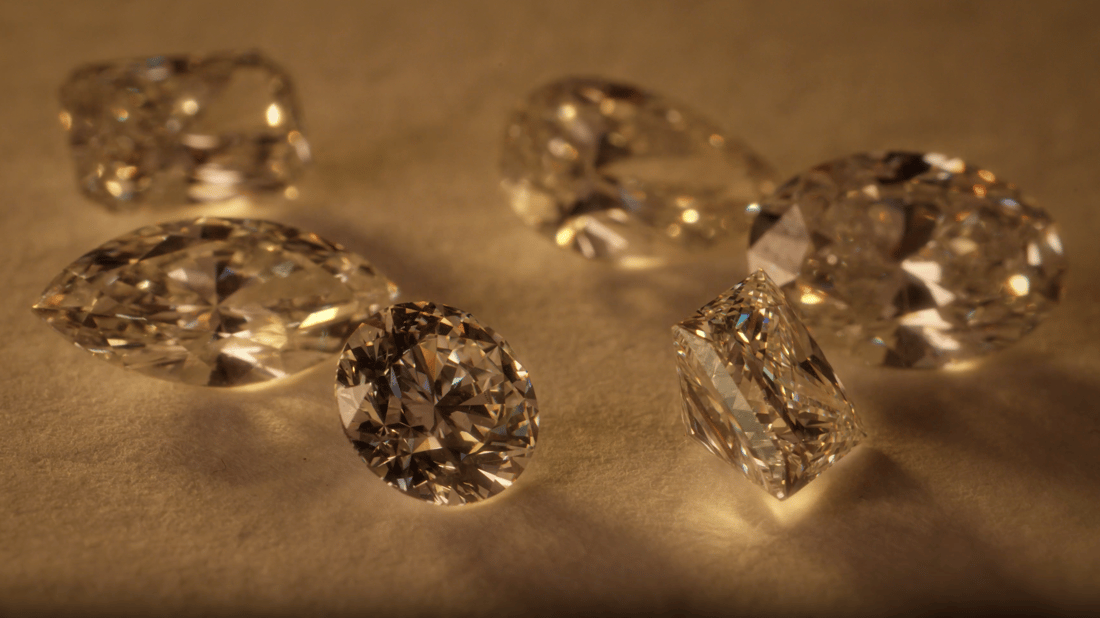
Shoppers often wonder – diamond vs moissanites – for rings or elegant pieces. Sparkle matters, yet where each stone comes from changes things entirely. One forms deep underground, the other grows in labs through careful science. Hardness varies too; one withstands scratches better than the other. Price tags differ sharply, even if both catch light beautifully. Knowing what sets them apart helps clarify which choice fits personal taste, daily wear, and how much someone plans to spend.
Natural Diamonds Remain a Traditional Favorite
Brightness like no other. That is why people have valued diamonds for hundreds of years – not just beauty, but meaning too: promises that last. Buried far beneath the ground, they take shape slowly, built only from carbon atoms locked into tight patterns. Because of how those pieces fit together, scratching one takes nearly impossible effort – ranked number ten, top score possible on the scratch test used by experts. Toughness so high it defines what hard really means.
A stone’s quality comes down to four things: how it’s cut, its color, clarity, and carat size. Because of these traits, some gems appear more rarely than others – this affects cost. Beauty matters, yet people also tie them to deep traditions; they stand for wealth, lasting grace. What you see isn’t just sparkle – it’s meaning shaped over time.
Moissanite A Clear Gem Choice
A shimmering stone made of silicon carbide, moissanite carries the name of Henri Moissan, a chemist who won the Nobel Prize. Inside a crater left by a space rock, scientists first spotted it long ago. Rare when formed by nature, you’ll hardly ever find it growing underground like diamonds do. Because of that scarcity, what sparkles in rings today mostly comes from labs instead.
A firework glow comes from moissanite when light hits it just right – its brilliance often outshines what you’d see in a diamond. This gem tricks many eyes at first glance, looking nearly identical under casual notice. Hardness sits near the top shelf on the scratch-resistance chart, landing at about 9.25. That toughness means daily use won’t wreck its surface easily. Still, diamonds hold their edge when tested against long-term knocks.
When it comes to price, moissanite usually costs much less compared to real diamonds. Because of this gap, many buyers choose moissanite if they like the diamond appearance but not the steep price tag. Under lighting, moissanite tends to show brighter, colorful sparkles – a trait some enjoy greatly. Yet there are those who’d rather have the softer, quieter shimmer that natural diamonds give off instead.
Lab Grown Diamonds Changing the Industry
Fewer people realize it, yet lab-grown diamonds now sit shoulder to shoulder with earth-mined ones. Though made above ground, their makeup matches exactly – same sparkle, same structure, same hardness. Instead of deep-earth pressure, scientists rely on intense heat and gas reactions inside sealed chambers. One method squeezes carbon under extreme force; another builds layers atom by atom from vaporized gases.
Diamonds made in labs come with a few clear benefits. For one thing, these stones usually cost 20 to 40 percent less than natural ones that match them in quality. Because they skip heavy digging, their impact on nature is lighter, sidestepping issues tied to certain mining methods. What matters just as much – they shine like mined diamonds, last just as long, and carry identical appeal.
Though lab-grown stones match mined diamonds in chemical makeup, certain advanced tools might spot subtle differences. To the average person, though, they look exactly the same without magnification – so many people choose them when cost and eco-impact matter.
Diamond Versus Moissanite Versus Lab Grown Diamond
The choice between diamonds, moissanites, and lab created diamonds ultimately depends on priorities:
- Starting strong, natural diamonds and those made in labs rank at the top when it comes to resisting scratches. Though not quite as hard, moissanite holds up well under daily wear. Toughness aside, each option stands ready for regular use without issue.
- Fireworks of light dance differently in moissanite, creating vivid flashes. Yet diamonds shine with a quieter glow, familiar through time. A lab-made diamond catches eyes just like one pulled from the earth.
- Price tags start low with moissanite, though lab-grown stones sit a step above. Natural diamonds? They claim the top rung when it comes to spending.
- Mining gems often harms people and places. Lab-made stones sidestep those issues by growing them above ground instead. These options avoid destructive digging while still offering shine.
All things considered, right now the jewelry world gives plenty of shiny choices fitting varied styles, price ranges, and what matters to you. Pick a classic earth-mined diamond, a bright moissanite, or a responsibly grown stone – knowing each one apart leads to something lovely yet thoughtful.


